
Menu
Your Cart

Conference Hall Construction

Conference Hall Construction
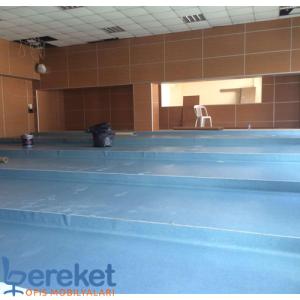
Conference Hall Floor Preparation Conference halls are vital spaces used for everything from business meetings to educational events and large-scale gatherings. The functionality and aesthetics of these spaces are directly tied to proper floor preparation. Conference hall floor preparation is a..
0.00TL
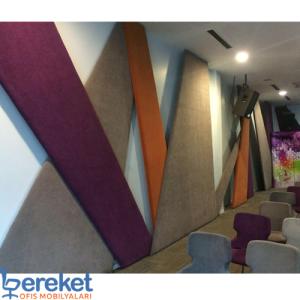
Floor Raising Conference halls are versatile spaces used for everything from business meetings to cultural events, and their functionality is closely tied to a well-designed floor. Floor raising is a widely preferred method to meet both the aesthetic and technical needs of conference halls. S..
0.00TL
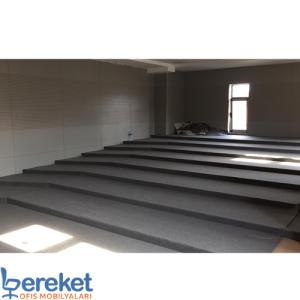
Conference Hall Soundproofing Conference halls are among the most critical spaces for business meetings and large-scale events. Whether it’s for presentations, training sessions, or major gatherings, sound quality plays a pivotal role in both participant comfort and the event’s success. Confe..
0.00TL
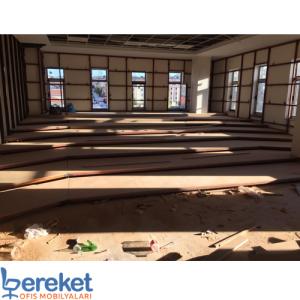
How Raised Flooring Is Done: Comprehensive Guide and Benefits Raised flooring is a system used in modern buildings to address technological and aesthetic needs. This article explains what raised flooring is, how it is implemented, why it is important, and where it is used in a clear and simple mann..
0.00TL
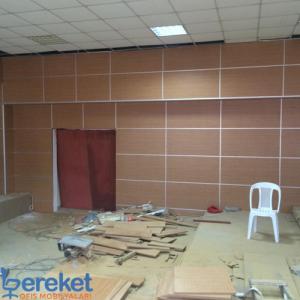
Raised Flooring Prices: Everything You Need to Know Raised flooring is a method used in modern buildings to meet both technological and aesthetic needs. If you’re new to this topic, don’t worry! In this article, I’ll explain what raised flooring is, where it’s used, its advantages, and how it’s imp..
0.00TL
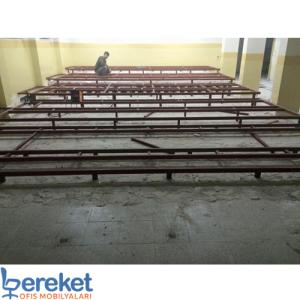
Raised Flooring: Functional and Aesthetic Solutions Raised Flooring is a significant solution that meets both aesthetic and functional needs in modern buildings. Frequently used in offices, data centers, conference rooms, and especially schools, this system allows for the organized and concealed pl..
0.00TL
Stage Elevation Construction When planning a stage for conference halls, theaters, or multipurpose event spaces, it needs to be both functional and aesthetically pleasing. This is where Stage Elevation Construction comes into play. This process ensures that audiences have a clear view of the s..
0.00TL
Showing 1 to 7 of 7 (1 Pages)

Conference Hall Construction: Real-World Design and Cost Insights

I have worked on conference hall projects for nearly 15 years. From small school halls to municipal venues with over 1,000 seats. One thing is clear: conference hall construction is not just about picking chairs from a catalog and attaching foam to the walls. Many projects look fine on paper but fail once they reach the site.

This article explains how the process should work, common mistakes, real cost factors, and what actually delivers reliable results.

What Conference Hall Construction Is — and Is Not

Let’s be clear:

  • It is not only about arranging seats.
  • It is not only about building a stage.
  • It is definitely not just buying a sound system.

The real goal is clear speech, unobstructed sightlines, seating that stays comfortable after two hours, and systems that still work years later.

The most common issue I see is simple. The design is approved. The budget is reduced. During installation, corners get cut. The hall opens. Then nobody can clearly hear the speaker.

How the Construction Process Should Work

Every venue is different. But a solid project usually follows this order:

  1. Site inspection, measurements, and evaluation of columns and ceiling height.
  2. Definition of usage: training, meetings, council sessions, or multi-purpose.
  3. Design and technical infrastructure planned together.
  4. All cost items listed clearly from the start.

Hidden costs always appear halfway through poorly planned projects. That causes delays and damages trust.

Acoustics: The Most Expensive and Most Mistaken Area

This part deserves special attention.

I do not recommend companies that say, “We installed foam panels, job done.”

Common real-world problems:

  • The microphone works, but words are unclear.
  • The room produces constant echo.
  • Back rows hear only noise.
  • Low frequencies become distorted.

A proper system uses acoustic panels placed at calculated locations, treated ceilings, controlled stage back walls, and measured reverberation time (RT60).

Material matters. Placement matters more. This detail is often ignored.

Floor Riser Design and Sightlines

Fixing this later is very expensive.

If the person in the last row cannot see the speaker’s head, the hall has failed.

What I usually recommend:

  • 15–18 cm height increase per row
  • Modular steel structure
  • Integrated cable pathways under the floor

Low-cost wooden platforms start making noise within two or three years.

Stage, Lighting, and Visual Systems

A small stage is difficult and costly to enlarge later.

In practice, you need:

  • Minimum 30–40 cm stage height
  • Side curtains or acoustic surfaces
  • Front key lighting for the speaker
  • Rear lighting control to darken the audience area

Projectors are cheaper, but images fade in bright rooms. LED walls cost more but remain clear even in daylight.

What Determines the Cost of Conference Hall Construction?

Exact pricing depends on many variables, but the main factors are:

  • Total floor area
  • Number and model of seats
  • Quality of acoustic treatment
  • Stage structure
  • Audio and visual systems
  • Floor riser system

The biggest long-term impact comes from acoustics, seating quality, and mechanical infrastructure. Cutting costs here usually means paying again in a few years.

Who Should Pay Special Attention?

This is especially critical for:

  • Municipalities
  • Schools
  • Universities
  • Private training centers
  • Hotels

These organizations usually want to build once and use the hall for many years. Cheap solutions at the beginning become expensive problems later.

A Short Field Summary

After 15 years, this is clear:

A well-built conference hall stays quiet, delivers clear sound, does not strain the eyes, and does not exhaust the audience.

A poorly built one collects complaints from day one.

If you plan such a project, do not focus only on price. Review previous projects. Check the materials. Make sure the team has real experience with conference halls.

That is the most reliable lesson I have learned on site.